
Opioid Withdrawal Timeline: What to Expect Day-by-Day (And How to Get Through It)

If you’re searching for an opioid withdrawal timeline, you’re likely preparing for detox or already in the middle of it—and wondering what comes next.
Withdrawal can feel overwhelming, unpredictable, and honestly scary. But knowing what to expect each day can make the process feel more manageable.
This guide breaks down the opioid withdrawal timeline step-by-step, including when symptoms start, when they peak, and how your body begins to recover.
If You’re About to Go Through Withdrawal… Read This First
If you’re searching for an opioid withdrawal timeline, you’re likely preparing for detox, currently going through it, or trying to understand why you still feel awful afterward.
First — I want you to know this:
👉 What you are feeling is real.
👉 There is nothing “wrong” with you.
👉 Your brain and body are trying to heal.
Withdrawal can feel overwhelming, unpredictable, and honestly… scary.
But when you understand what’s happening, it becomes more manageable.
🕒 Opioid Withdrawal Timeline: Day-by-Day
⚠️ Important: According to the Cleveland Clinic, opioid withdrawal symptoms can vary based on the type of opioid and duration of use.
⏱️ 6–12 Hours After Last Dose
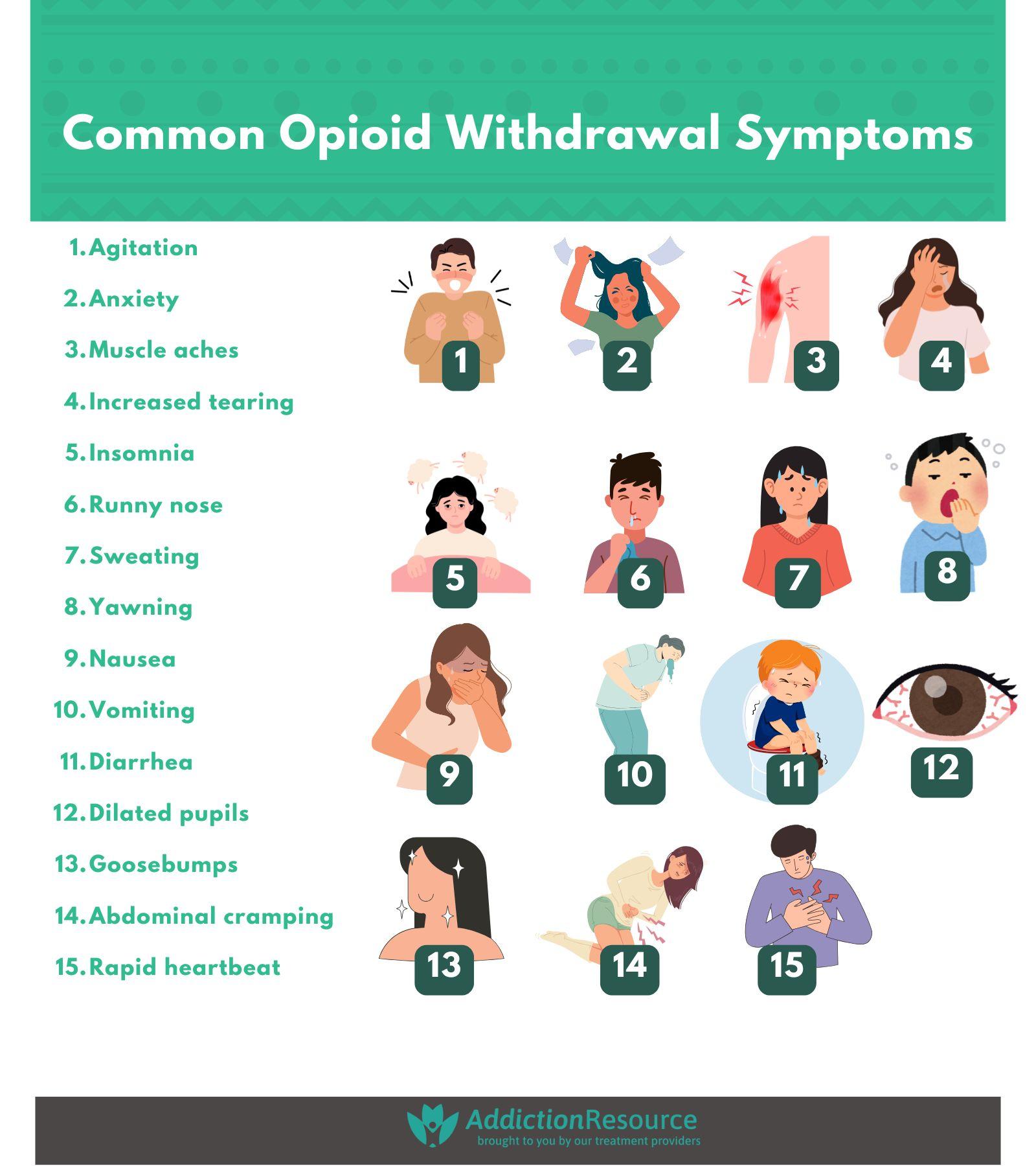
What You May Feel:
- Anxiety or restlessness
- Yawning
- Runny nose
- Sweating
- Mild cravings
What’s Happening:
Your body is realizing the opioid is gone → early nervous system activation begins
What Helps:
- Deep breathing / calming environment
- Hydration (electrolytes > plain water)
- Magnesium
⏱️ 24–48 Hours (Symptoms Begin to Intensify)

Symptoms:
- Body aches
- Chills / sweating
- Nausea
- Insomnia
- Anxiety increases
What’s Happening:
Your brain is experiencing a sudden drop in dopamine + endorphins
This is why it feels:
- flu-like
- emotionally intense
- physically painful
What Helps:
- Anti-nausea support (ginger, peppermint)
- Hot baths or showers
- Light, easy-to-digest foods
This opioid withdrawal timeline is not just about getting through detox — it’s about understanding how your body heals step by step.
🔥 48–72 Hours (PEAK WITHDRAWAL)
This is typically the hardest phase.
Symptoms:
- Severe body aches
- Vomiting / diarrhea
- Restless legs
- Extreme anxiety
- No sleep
What’s Happening:
Your nervous system is in overdrive
→ high stress hormones
→ low dopamine
→ disrupted sleep cycles
What Helps MOST:
- Fluids (this is critical)
- Electrolytes
- Rest (even if you can’t sleep)
- Support person if possible
👉 This phase feels endless — but it will pass
📉 Days 4–7 (Symptoms Begin to Ease)

Symptoms:
- Fatigue
- Weakness
- Low appetite
- Lingering anxiety
- Poor sleep
What’s Happening:
Your body is stabilizing physically…
BUT your brain chemistry is still off.
This is where many people get discouraged.
Because:
👉 “I thought I’d feel better by now…”
⚠️ Weeks 2–4 (Post-Acute Withdrawal Begins)

Symptoms:
- Depression
- Anxiety
- Brain fog
- Low motivation
- Emotional numbness
This phase is called PAWS (Post-Acute Withdrawal Syndrome)
What’s Happening:
- Dopamine is still low
- Your brain is trying to “relearn” balance
👉 This is the stage most people are NOT prepared for
🧠 Why Detox Doesn’t “Fix” Everything
Detox removes the substance…
…but it does NOT immediately restore:
- dopamine
- neurotransmitters
- nervous system balance
That’s why people often feel:
- flat
- unmotivated
- disconnected
👉 And this is also where relapse risk is highest
⚡ What Actually Helps You Recover Faster
Here’s the part most people are never taught:
Recovery is not just about getting through detox.
It’s about supporting your brain and body after.
Key Areas to Focus On:
1. Nervous System Support
- Magnesium
- Deep breathing
- Sleep support
2. Dopamine Rebuilding
- Protein intake
- Tyrosine-rich foods
- Sunlight + movement
3. Gut + Inflammation Support
- Omega-3s
- Anti-inflammatory foods
- Hydration
4. Sleep Restoration
- Calming supplements
- Consistent schedule
- Darkness at night
💬 You Are Not Failing — You Are Healing
If you are in this process right now…
And thinking:
- “Why do I still feel so bad?”
- “Shouldn’t I be better by now?”
👉 Please hear this:
This is part of the process.
Your brain is healing from something powerful.
And healing takes time.
🚨 When to Seek Medical Care
Seek urgent care if you have:
- Severe dehydration
- Inability to keep fluids down
- Chest pain
- Confusion
- Suicidal thoughts
You do NOT have to do this alone.
Frequently Asked Questions About Opioid Withdrawal
How long does opioid withdrawal last?
Most acute opioid withdrawal symptoms begin within 6–12 hours, peak around 48–72 hours, and improve within 5–7 days. However, some symptoms like fatigue, anxiety, and depression can last for weeks due to post-acute withdrawal.
When is opioid withdrawal the worst?
Opioid withdrawal is typically most intense between 48 and 72 hours after the last dose. This is when symptoms like body aches, nausea, anxiety, and insomnia tend to peak.
What are the first signs of opioid withdrawal?
Early symptoms often include anxiety, restlessness, sweating, yawning, and a runny nose. These can begin as early as 6–12 hours after the last dose of a short-acting opioid. This is a common part of the opioid withdrawal timeline, especially in the early recovery phase.
Why do I still feel bad after detox?
Many people experience post-acute withdrawal symptoms (PAWS), which can include fatigue, depression, anxiety, and brain fog. This happens because the brain’s dopamine and neurotransmitter systems take time to recover. If you’re going through this, you’re not alone — and these symptoms are part of your body healing.
Can you die from opioid withdrawal?
Opioid withdrawal is usually not life-threatening, but it can be extremely uncomfortable and lead to complications like dehydration. Medical supervision is recommended, especially for severe symptoms.
How can I make opioid withdrawal easier?
Staying hydrated, supporting your nervous system, improving sleep, and using targeted nutrition and supplements can help reduce symptoms and support recovery.
📥 Free Support: Start Here
If you’re going through withdrawal or early recovery…
I created a simple, step-by-step guide to help support your body and brain:
👉 Download the Root Cause Recovery Starter Stack
Inside you’ll get:
- Nervous system reset strategies
- Daily support checklist
- Supplement guidance
🔗 Related Posts
- The Root Cause of Post-Opioid Withdrawal: Why You Still Feel So Bad
- Mindful Eating in Real Life: Support Your Gut + Reduce Inflammation
- (Coming next) How to Sleep During Withdrawal